



When systems interact, processes become intelligent.
Dynamic Process Bridge an Innosuisse project by FHNW and brix
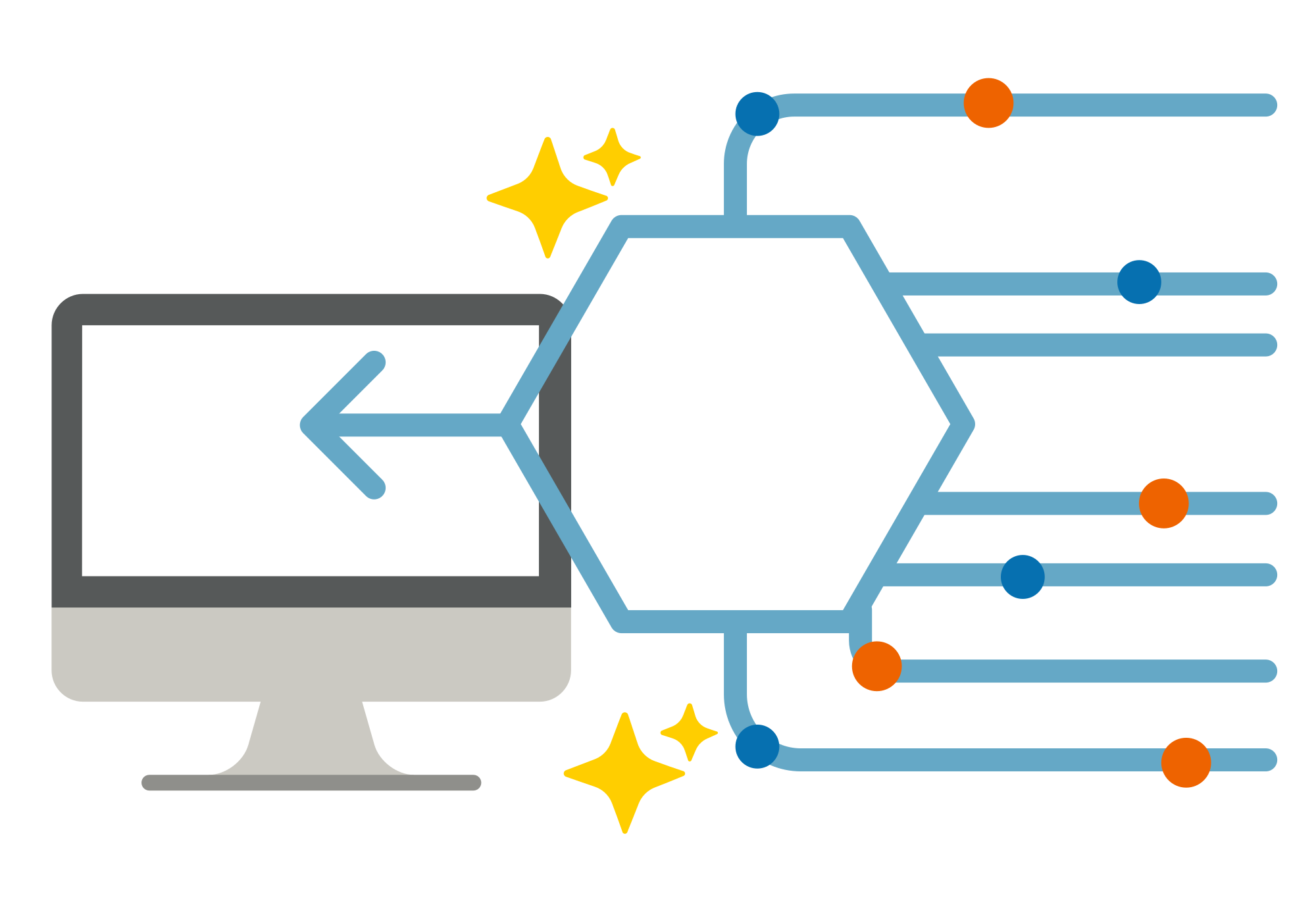
Connect processes, use AI purposefully, simplify work.
ERP, CRM, CMS, document management, specialized applications, collaboration tools – each system serves its purpose. The problems lie in between: You manually transfer information, coordinate decisions between systems, and connect process steps via Excel, email, or personal coordination.
This is exactly the gap that the Dynamic Process Bridge fills. With the aim that processes run more easily, reliably, and intelligently across existing systems – without having to change your system landscape.
Where processes are mostly interrupted
Many companies are familiar with the following situations:
- Information is transferred from one system to the next.
- Excel takes over where existing systems can no longer help.
- Employees manually compile information from multiple sources.
- Changes trigger numerous manual adjustments.
- Decisions heavily depend on the knowledge of individual people.
This causes effort, delays, and media disruptions – and makes processes difficult to scale. The challenge is therefore often not a missing system, but the lack of connection between systems, processes, and people.
Does this sound familiar to you? Let's check if your process fits our pilot program.
Discuss Pilot Use CaseWhat is the Dynamic Process Bridge?
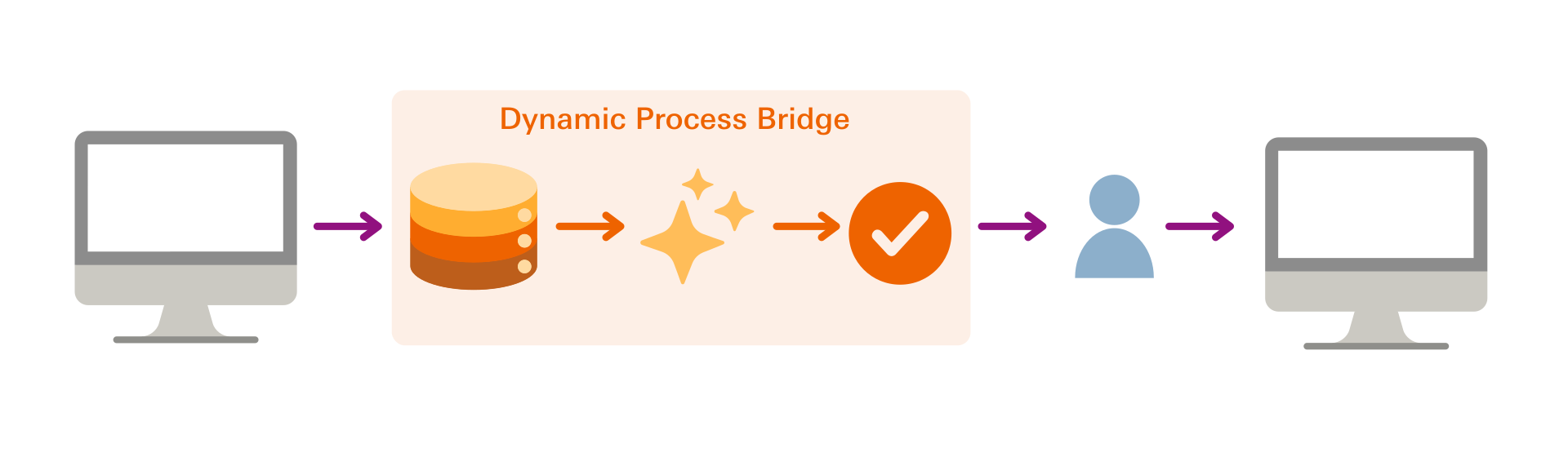
The Dynamic Process Bridge is an intelligent process and integration layer between existing enterprise systems. It brings together information from various systems, coordinates defined process steps, and employs AI where traditional rules alone are not sufficient.
Systems remain in place, processes connect, decisions remain traceable.
Structured processes and dynamic AI – intelligently combined.
We combine structured process logic with the dynamic capabilities of AI.
- Structured process logic for predictable and clearly defined process steps.
- AI-supported decisions for situations where someone needs to interpret, evaluate, or weigh different options.
The human remains part of the process when a decision requires additional review or approval. This way, AI does not become an uncontrolled decision-maker but a traceable component of a reliable business process.
What does that look like in practice?
The potential areas of application are not limited to a single industry. Wherever you coordinate information between systems and people today, an interesting use case can arise – for example:
- Handling customer inquiries: Consolidating information from different systems, categorizing inquiries, and preparing the next steps.
- Processing documents: Automatically recognizing, verifying, and forwarding information to the correct processes or people.
- Supporting planning and coordination: Detecting changes, assessing impacts, and suggesting possible courses of action.
- Simplifying approval and decision-making processes: Automatically gathering information and preparing decisions in a structured manner.
- Automating cross-system routine tasks: Reducing manual data transfers and recurring reconciliations.
The key is not the technology, but a simple question: Where does unnecessary manual work arise in your company today between systems, processes, and people?
Our pilot use cases
The Dynamic Process Bridge is developed, tested, and validated together with companies on real business processes. Together with the FHNW, we investigate which AI models are suitable for different process steps and according to which criteria they can be selected and combined.

Lastech – AI-assisted production planning
At Lastech, a company specializing in sheet metal processing and plant construction, we are investigating how production orders can be rescheduled more quickly and transparently in the face of changes. Currently, planning is done via ERP and Excel. If customer materials arrive late, priorities change, or resources are lacking, the planner manually shifts orders – and simultaneously assesses the impact on capacities and delivery dates.
The pilot brings together order, resource, capacity, and schedule data, supporting the planner with suitable alternatives in the event of changes. The AI presents possible options and makes their impacts transparent – the decision remains with the human. Confirmed changes are controlled and fed back into the existing systems, and the process automatically informs sales and other relevant departments.
Goal: less manual rescheduling, more transparency, and more reliable scheduling decisions.
Drixl – AI-assisted invoice processing
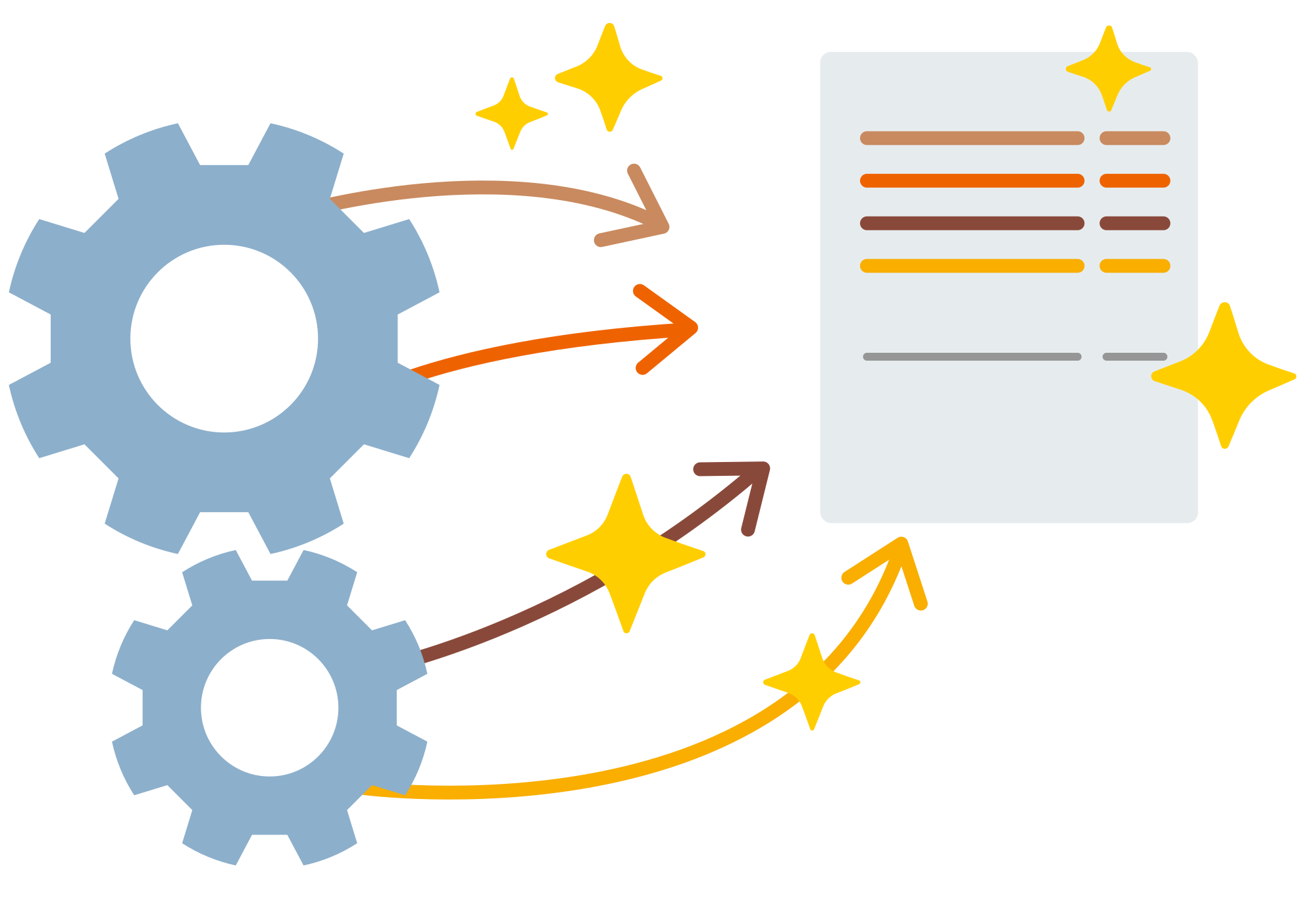
At Drixl, a transport and moving company, we investigate how a seamless, AI-supported process makes invoice processing more efficient. Invoices contain a lot of information. Today, someone has to recognize, structure, check, and feed this information into the correct process – this is exactly where manual work steps and system changes often occur.
The Dynamic Process Bridge automatically captures and structures relevant invoice information, connects existing systems, and coordinates the necessary verification steps. The AI interprets and validates the content specifically. If automatic processing is not reliably possible, an employee checks the approval.
Goal: less manual data entry, seamless processing, and traceable verification steps.
Do you recognize your process in these examples?
Production planning and invoice processing are two of many possible use cases. Tell us where coordination is still done manually in your operations today.
Together with companies develop
A central component of the project is close collaboration with companies so that the developed solutions can be tested and further developed based on real-world requirements. That is why we are looking for companies that, together with us, want to analyze real processes, test new solution approaches, and validate the developed services under practical conditions.
A pilot could be interesting if …
- You have a process with potential for AI support,
- information from multiple systems or sources comes together,
- decisions today heavily rely on experience and manual evaluation,
- or you want to find out which AI is best suited for which process.
Together we examine where AI creates the greatest added value in the process and how it can be used reliably.
A specific challenge is sufficient as a starting point.
What does participation as a pilot partner bring?
As a pilot partner, you can:
- bring in your own challenges,
- test new approaches at an early stage,
- co-design requirements and solutions,
- gain experience with AI-supported processes,
- identify potential for automation in your own company.
This way, you contribute to turning research into solutions that actually work in everyday business life.
Does your process fit our project?
No pilot in sight yet? Stay tuned anyway.
Sign up for project updates, get informed about the market launch, or briefly tell us where there is potential for AI and automation in your processes today.


