


The power of AI in a DAM
13. November 2023
What AI in DAM actually delivers today – explained simply and straight from real-world practice.
More
by Veronika Altenbach
Digital asset management (DAM) systems have become indispensable for companies that need to manage a wide range of digital media, such as images, graphics, videos, documents, audio files, etc. But how do you find the right DAM system? This guide will show you which criteria are important when selecting and implementing a DAM system and how you can ensure that your company benefits from an effective DAM system.
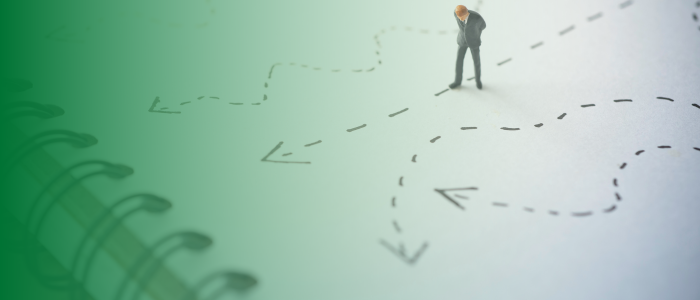
When evaluating a new DAM system for your company, you should be clear about what requirements you have as a company and what functions you actually need.
Ask yourself the following questions:
Another important factor in the selection process is the scalability of the system. Ask yourself whether it will be able to keep pace with the growth of your company.
Check whether the functions and features offered meet your individual requirements, or whether they can be customized for you.
With a detailed catalog of requirements, you not only ensure that the DAM system is precisely tailored to your specific needs, but also reduce costs as you guarantee efficient management of your digital media in the long term.
When choosing the right implementation partner, make sure that they have sufficient experience in the field of digital asset management and a good reputation. Are they also able to guarantee the desired level of support? Does the implementation partner offer user training and are the maintenance costs reasonable?
Check the recommendations and experience reports of the implementation partner to find out whether comparable projects have already been carried out successfully.
A suitable implementation partner will offer you comprehensive support from start to finish and beyond. They will act as a consultant to ensure that you can successfully achieve your long-term goals.
One of the biggest hurdles is integrating the system into the existing system landscape. Compatibility problems can arise, which can lead to delays and additional costs. We therefore advise you to first carry out a pilot project in a specific area of your company to test the system and gather feedback from users. A gradual introduction helps to avoid unexpected issues.
We also recommend developing a clear change management concept and involving employees at an early stage to take their needs and suggestions into account. This promotes acceptance and enables employees to get used to the new processes and working methods more quickly.
To get the full benefit of your investment, it is crucial to define clear goals and requirements for the DAM system. Train your employees in advance. Review your DAM system regularly and adapt it if necessary to ensure that it continues to meet your needs.
Successful implementation of a DAM system requires not only thorough planning, but also ongoing monitoring of the system.
Integrating a DAM system into existing company processes and systems significantly increases efficiency and productivity, which ultimately saves time and money. It enables your employees to access centralized data without using different platforms. However, you should take a few factors into consideration:
With careful planning and implementation, you can achieve a successful integration that will provide long-term added value for the company.
As already mentioned, training, support and maintenance after implementation play a crucial role in ensuring a smoothly functioning system.
In addition to the defined range of functions, these components are also decisive for the long-term success of a DAM implementation and should therefore not be neglected.
In summary, it can be said that a digital asset management system is indispensable for companies. The large number of digital assets, such as images, videos, documents, etc., that are processed in a company on a daily basis require organized storage and rapid availability. A DAM system not only enables the central management of digital assets, but also efficient search and approval processes. When selecting a suitable DAM provider, you should therefore pay particular attention to functionalities such as metadata management, integration with other systems and security standards. The challenges of implementation should also not be underestimated. A clear strategy and sufficient resources are essential for the success of your project. Employee training and reliable support after the roll-out and maintenance of the system are other important aspects for success. All in all, a properly implemented digital asset management system can help companies to reduce time and costs and optimize their workflow.
What AI in DAM actually delivers today – explained simply and straight from real-world practice.
More
Stay competitive by managing digital content efficiently. But how do you know if your organization needs a DAM system? Find out in this post what the five signs are.
More
What are the key differences between a Document Management System (DMS) and a Digital Asset Management (DAM) system?