


BPM Event Recap: Fall 2026 – Process Management as a Guiding Framework for AI
by Veronika Altenbach
Whether at Energie Wasser Bern, the Highlight Towers in Munich, the CIB seven community conference, or at a Porsche dealership in Aschaffenburg: In Fall 2026, Kevin Lang, Head of BPM at brix and president of PEAK (Process Excellence and Knowledge), attended four industry events. The formats varied, but together they paint a clear picture: If you want to give AI room to maneuver, you must review and adapt your processes. In this recap, we summarize the key takeaways.
ADONIS Customer Day 2026: Which processes are truly critical?
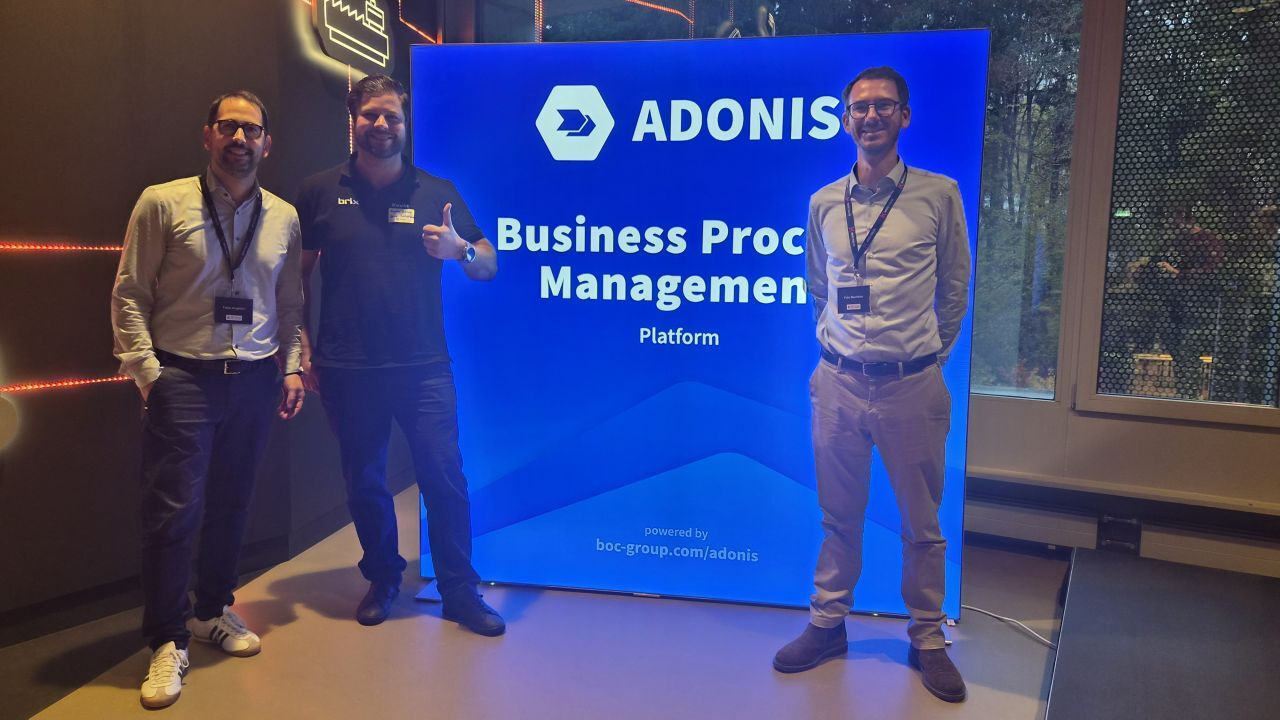
The host of the ADONIS Customer Day was Energie Wasser Bern (ewb). ewb provided an in-depth and practical insight into its own process management: from maturity assessment to the target state and on to the roadmap for further development. It was particularly insightful to see how the current state analysis led to concrete priorities and next steps.
In the workshop with Philipp Oberli, participants discussed in groups a question central to any process management: How can critical processes be identified? It was precisely the diverse perspectives from different organizations that made the discussion so valuable. «Community events like these show how much we can learn from one another when we share our practical experiences,» says Kevin Lang.
TIM Customer Day 2026: practice meets product development
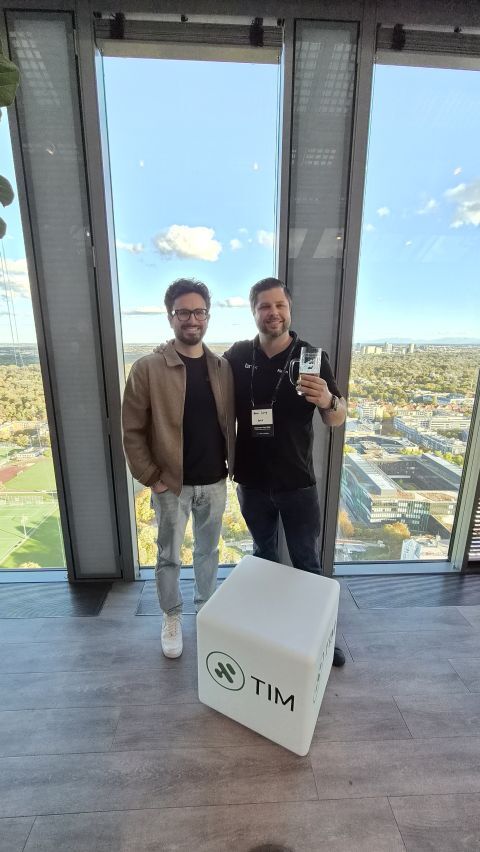
As was the case last year, the TIM Customer Day in Munich demonstrated just how versatile process management and automation are in practice. The customer presentations by Jean-Claude Rühle from Stadtwerk Winterthur and Holger Nissen from Gunvor were particularly insightful. At first glance, a municipal utility and an internationally active commodities trading company have little in common. Yet both demonstrated how they are digitizing and gradually refining their processes with TIM Flow.
A look at the TIM Solutions roadmap was also worthwhile:
- AI: TIM Solutions presented how it is addressing the topic of AI and what developments are planned.
- Dashboard: Predefined widgets make it easier to get started with meaningful analyses.
- SmartForm 2.0: The new version is generating high expectations for its use in customer projects.
The event concluded with a dinner with the TIM team, where the focus was on the further development of AI in the process environment, featuring Demian Riess and Jörg Kethur.
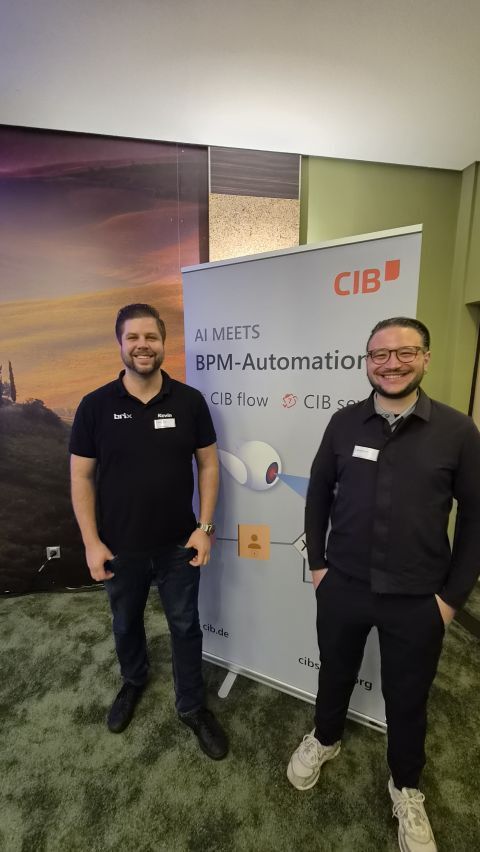
CIB seven Day 2026: BPMN as a Guideline for AI Agents
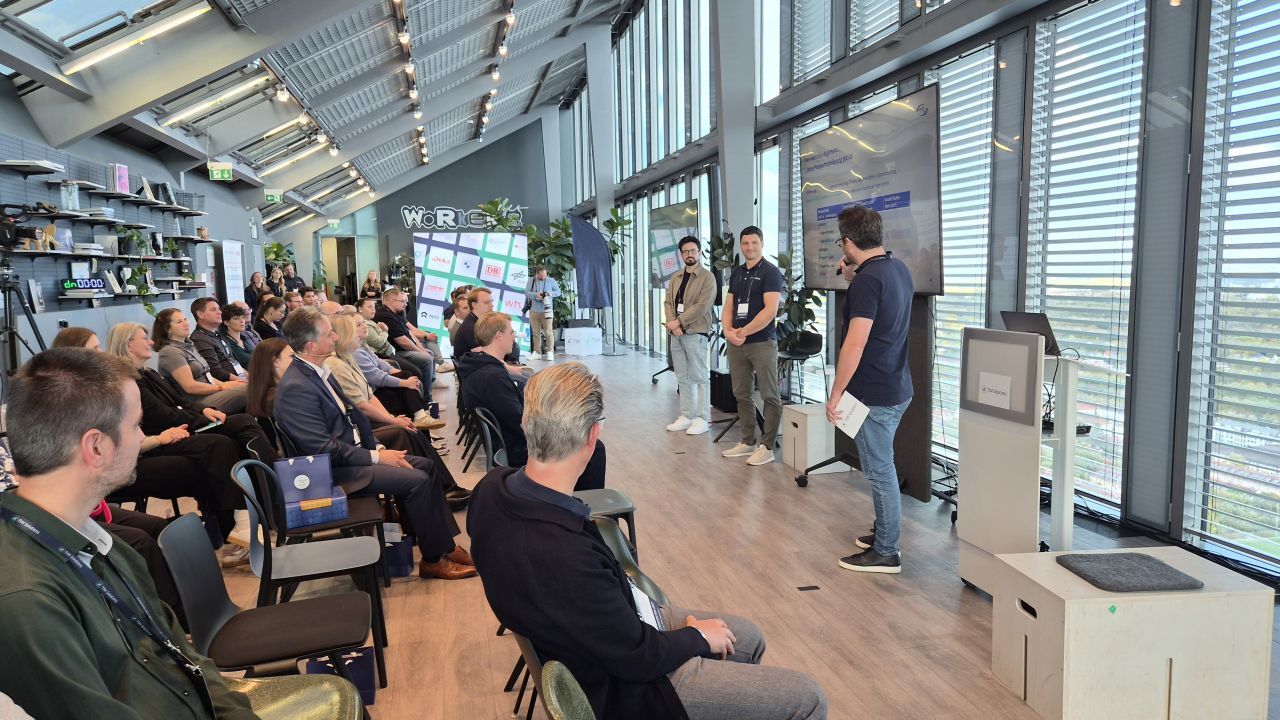
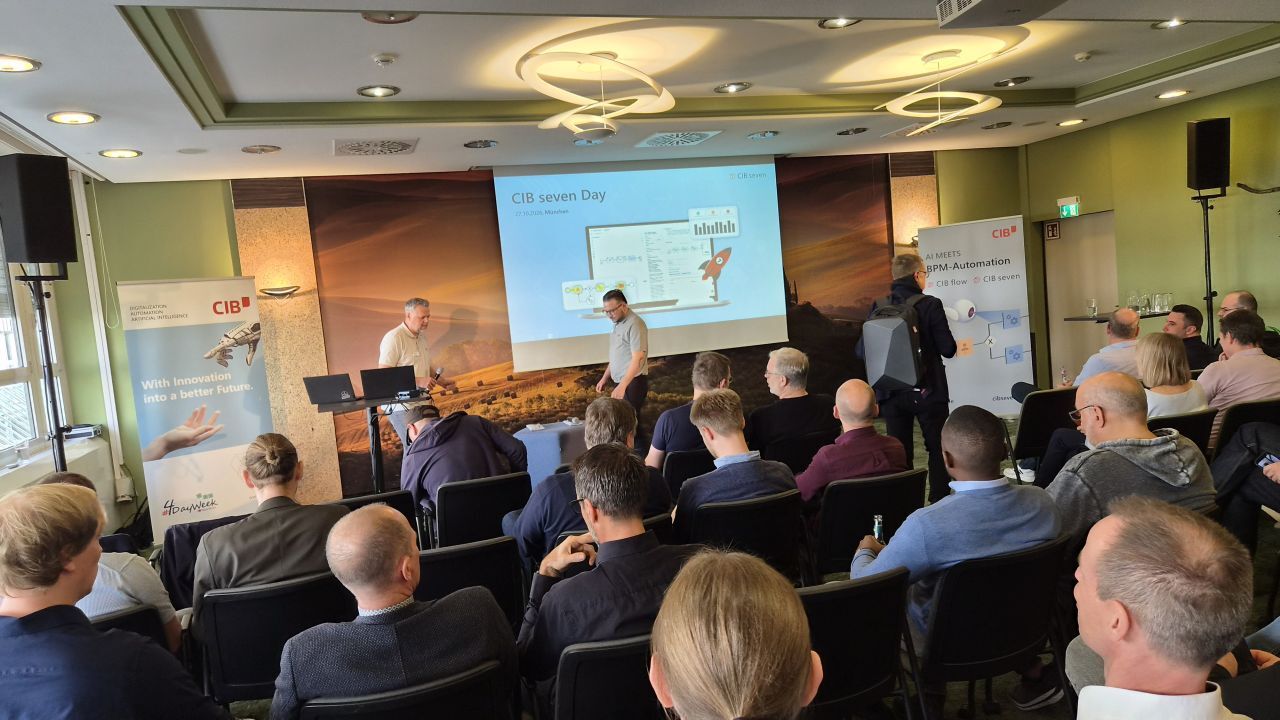
On October 27, the CIB seven community gathered in Munich, and it has grown noticeably since the first Community Day in 2025. Significantly more participants were in attendance than the previous year, many of whom are already using CIB seven in production.
The platform itself is also continuing to evolve. CIB seven 3.0 introduces, among other features, the ad-hoc subprocess and an MCP (Model Context Protocol) interface, through which AI agents can interact directly with processes. The principle behind this is that AI is given more leeway within a process, while BPMN defines what an agent is allowed to do – and what it is not. Such connections are particularly crucial in practice, as they allow for control over the extent to which an AI agent can act autonomously within the process.
Dominik Horn (Miragon) demonstrated how AI and BPMN can be integrated in practice using the example of an intralogistics solution at dmTECH. It was also notable that CIB actively solicits feedback from the community and incorporates it into its roadmap. There was plenty of time for discussions between the presentations, including with mesoneer and the CIB Group. The presentation slides are already available for download; the videos will follow shortly.
LifeStyle Connect: from research to implementation
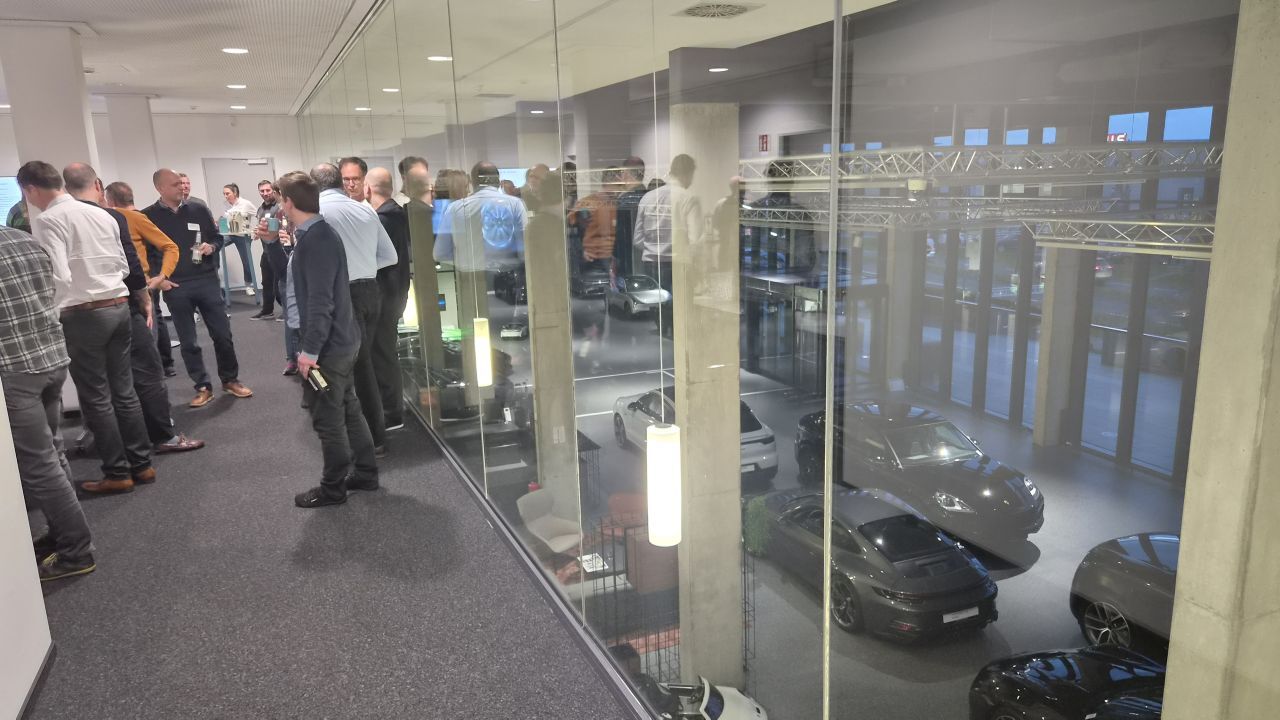
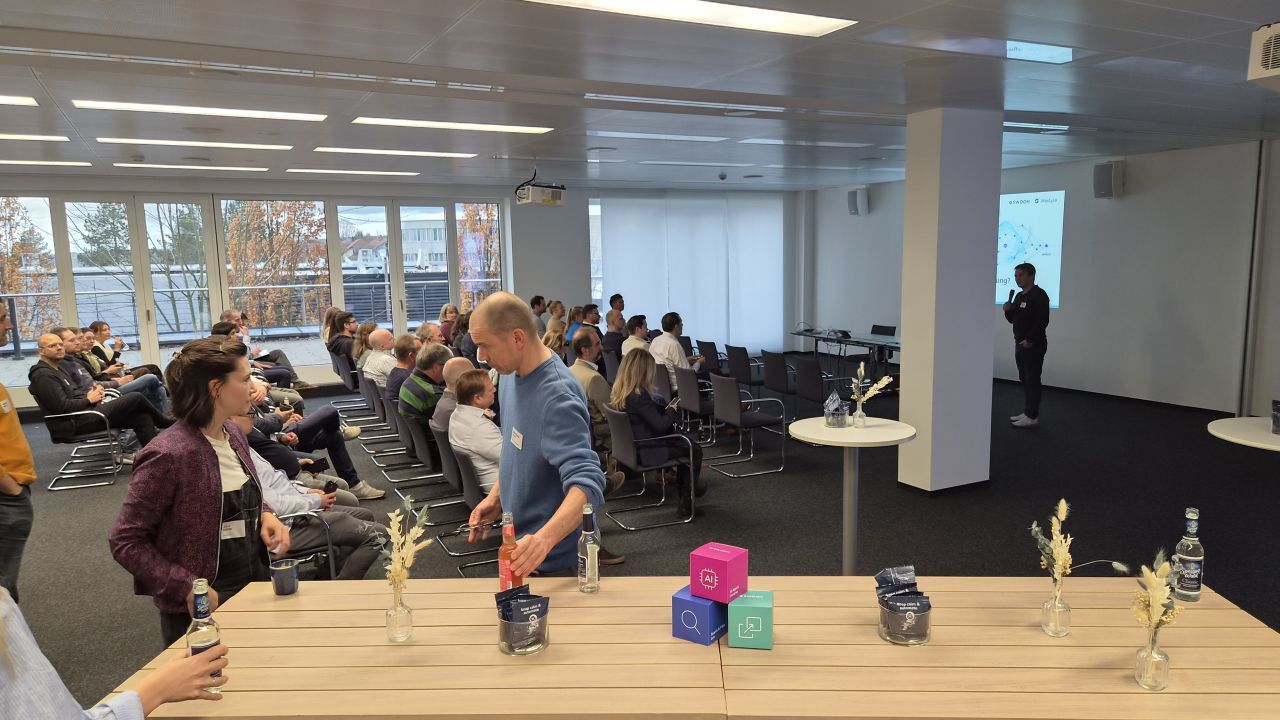
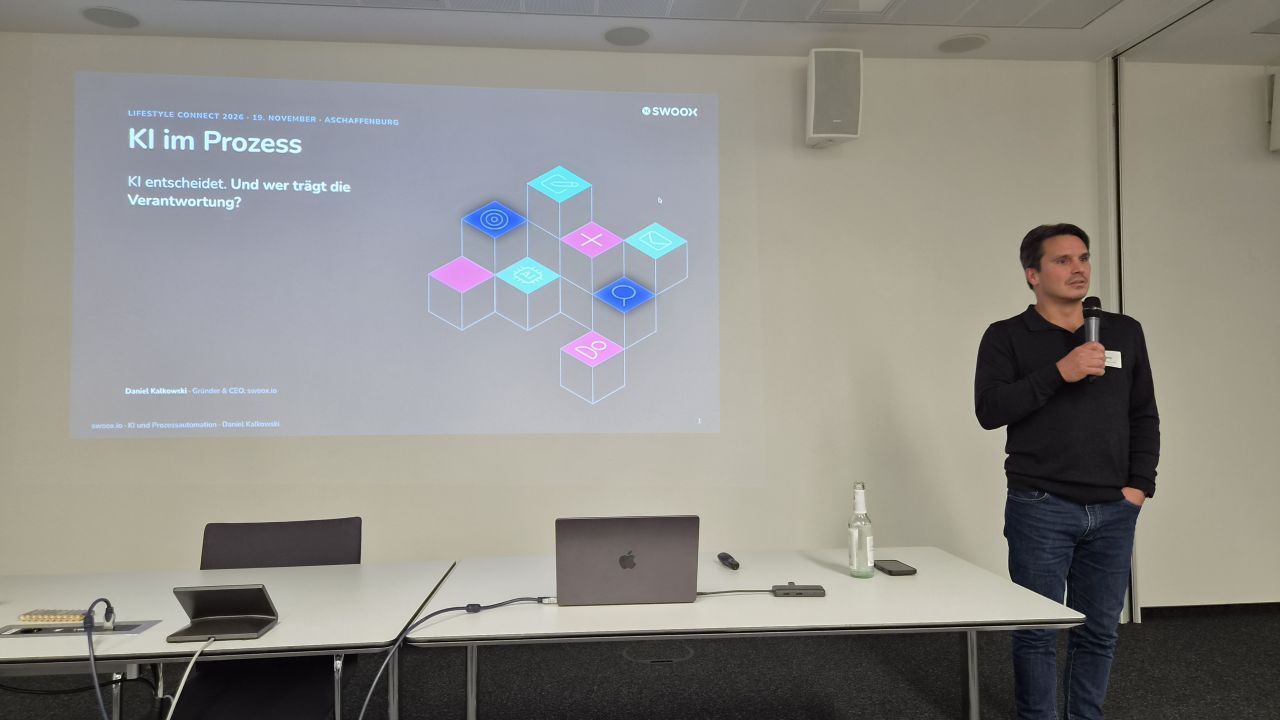
In Aschaffenburg, the focus was on cars – or almost, anyway. Above the showroom of a Porsche dealership, around 60 participants at LifeStyle Connect discussed automation and AI. The event demonstrated how well research, guidance, and practical implementation can interlock.
Prof. Dr. Wolfgang Kratsch and Dr. Thomas Kreuzer kicked things off with research findings on how to provide AI agents with meaningful guidelines. Kevin followed up with his presentation, showing where companies stand today with AI and how process management helps shape control, security, and accountability. His central idea: «The more leeway we give AI, the more consciously we must define responsibilities and boundaries.»
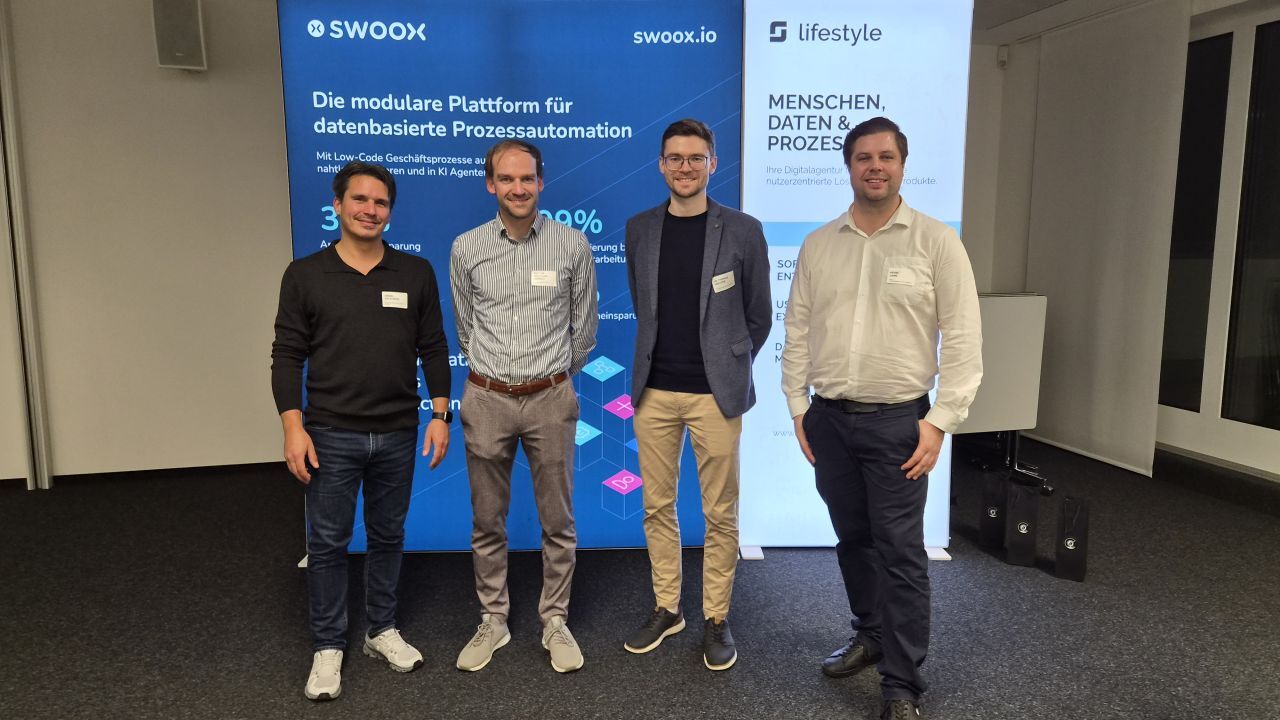
Daniel Kalkowski from LifeStyle Webconsulting GmbH then bridged the gap to practical application. Using swoox.io, he demonstrated how AI can be integrated into a workflow engine and deployed at defined points in the process.
Conclusion: scope for AI requires structure in the process
Four events with four different perspectives all reached the same conclusion: for AI agents to be productive within a company, they need clearly defined processes as a framework. This begins with the question of which processes are critical, proceeds through BPMN and workflow engines to automation, and ends with the decision of where AI is allowed to act autonomously and where humans retain responsibility.
Learn more about autonomous AI agents in process automation in our article «Intelligent Processes. Goal-Oriented. Autonomous.» and about our Innosuisse project on the Dynamic Process Bridge.
Would you like to integrate AI into your processes in a controlled manner?
We’ll guide you from process analysis through the selection of the right platform all the way to automation – vendor-neutral and with a focus on where AI adds value to the process and where clear guidelines are needed.